Opened in August 1952
The government approved the university on 27 May 1952, and the opening ceremony was on 8 August 1952.
JNU · Jeju City
Jeju National University is a national university on Jeju Island, opened in 1952. Its symbol animal is the deer, and its logo draws the island's oreum and waves. Exchange students study and live at the Ara campus in Jeju City.
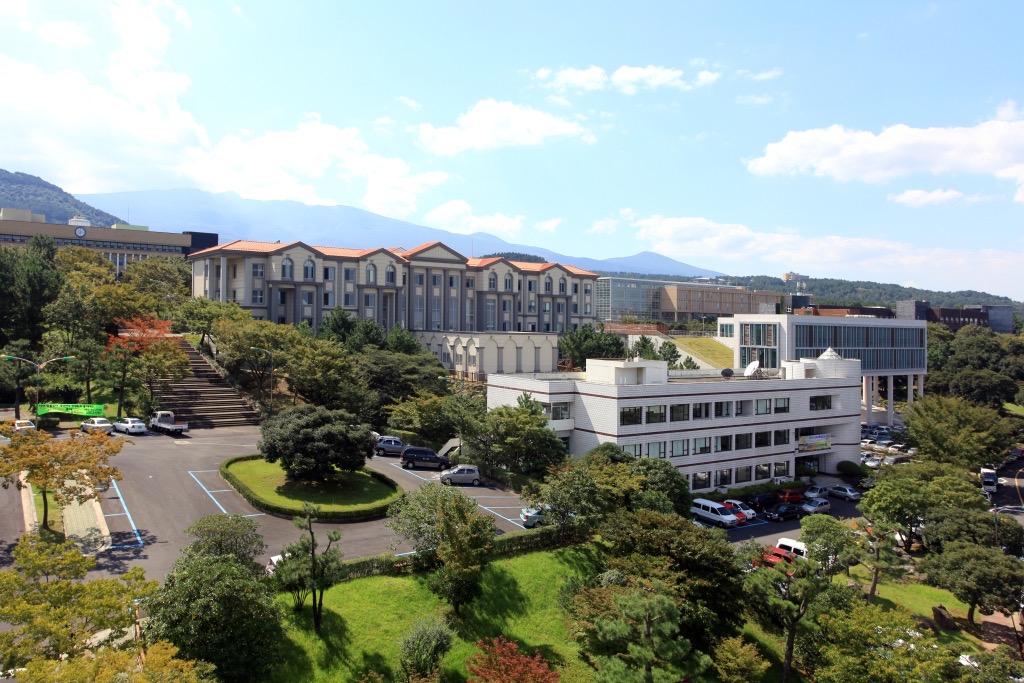 imagejeju, CC BY-SA 4.0
Things Korean students all know that are new when you arrive.
The government approved the university on 27 May 1952, and the opening ceremony was on 8 August 1952.
On 1 March 1982 Jeju National University was raised to the status of a comprehensive university, and the first president of the new university took office.
The deer became JNU's symbol in 1983. The university describes it as gentle in temperament and sturdy in spirit, and says members should study all their lives and serve Jeju and the nation.
The nutmeg tree became the symbolic tree in April 1982. JNU says it can live up to 500 years and stays green in every season, and that it stands for the pursuit of truth and justice.
The university logo from January 2009 has a shield-like U that joins the J of Jeju with a torch. A wave and the shape of an oreum, one of Jeju's volcanic cones, stand for the island and the sea around it.
From Jeju National University's official English history and symbol pages, checked on 26 October 2026.
What JNU's International Office runs for international students during the year.
Pairs you one to one with a JNU student for the semester. Buddies meet you at the airport and help with course registration, the library and trips around Jeju.
Country chats are for everyone from that country studying anywhere in Korea, not only at JNU.
Going with friends? Make a group in A-CHA for your own crew and send them the invite link.
Open to every international student in Korea, not only at JNU.
 Flash meetups. Anyone can start or join a short meetup in the app, like dinner tonight or a hike on Saturday.
JNU's exchange students study and live at the Ara campus in Jeju City.
제주특별자치도 제주시 제주대학로 102
102 Jejudaehak-ro, Jeju-si, Jeju 63243
Also on Kakao Map and Google Maps. Naver and Kakao work best in Korea.
Jeju Starlight World within 2 km of campus, and every place to eat nearby.
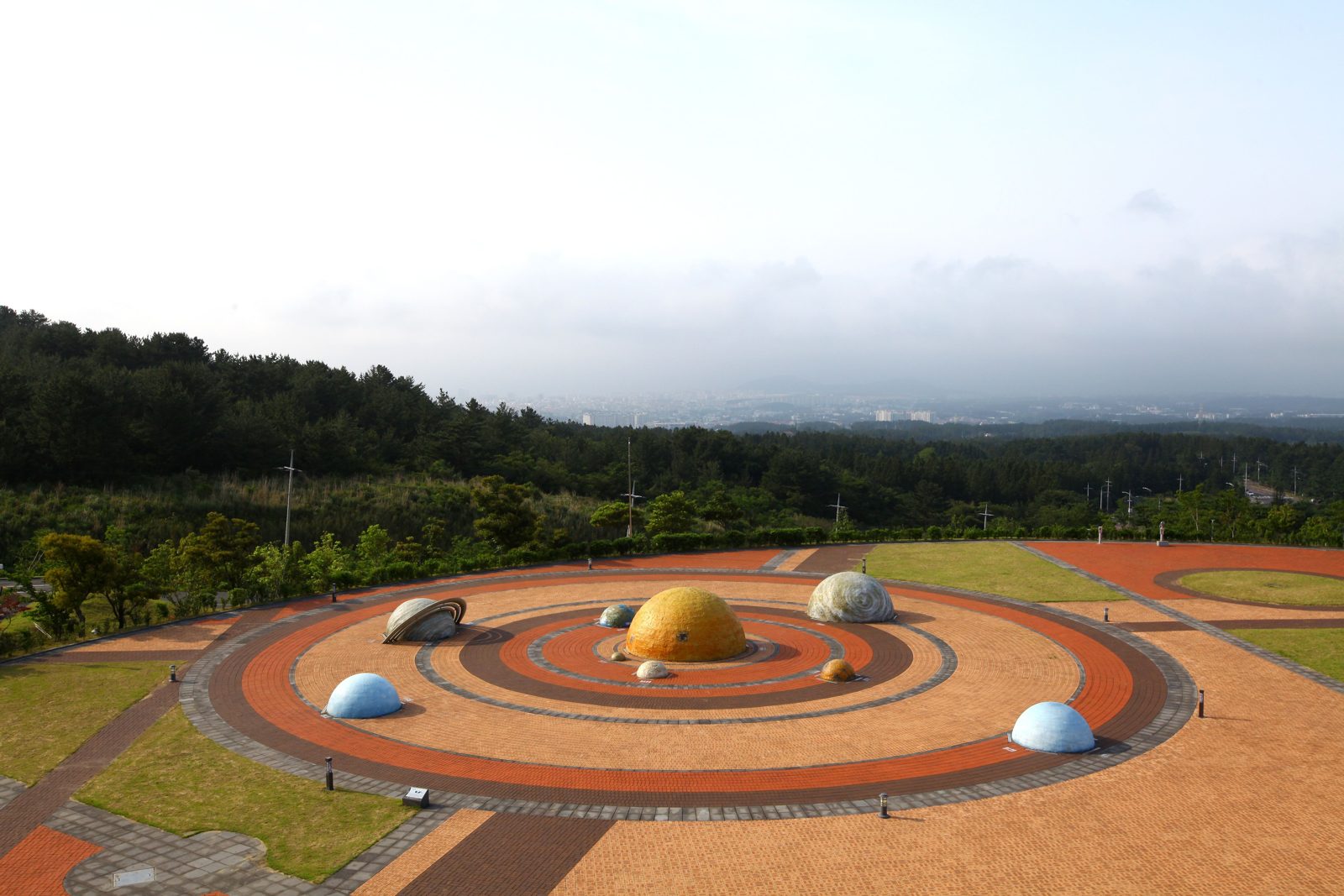
It sits in the hills of Ora-dong in Jeju City, where buses stop running at night, so plan on a taxi back. Cloudy nights mean no viewing.
For Spring 2027. The emails from the school come first. Use this list to check nothing is missing. Ticks stay in this browser only.
Not an official JNU page. Dates and rules change. Check the details on JNU's official site before you apply or book anything. JNU exchange study guide ↗ Checked on 21 October 2026
Your home university nominates you by 31 October, and you finish the online application by 18 November. For autumn it's 3 May and 20 June. JNU sends the result to your home university, then the certificate of admission.
A GPA of 2.4 out of 4.3, 2.05 out of 4.0 or 80 out of 100, or TOPIK level 3, and enough English or Korean to study. Education, medicine, veterinary medicine, law and pharmacy are closed to exchange students.
The application form, a study plan, a professor's recommendation, an English enrolment certificate and transcript, and your passport. For spring, email a chest X-ray report from after 1 December by 1 January. If you're from outside the OECD, add a bank statement for ₩8,000,000 a semester and an apostilled enrolment certificate.
Exchange students pay tuition at home and nothing at JNU.
Exchange students need a D-2-6 visa from the Korean embassy in their home country, using JNU's certificate of admission.
National Health Insurance starts after you register at the Jeju immigration office, which takes about a month. Bring your own insurance for March and April, or September and October. It then costs about ₩78,000 a month, paid on the 25th for the next month. Japanese and French students can be exempt with proof of their home insurance.
Arrive in the last week of February for spring, or the last week of August for autumn. Send JNU your flight details so your buddy can meet you.
Bring the application form, your passport, a photo, your enrolment certificate and proof of where you live.
You need the card to open a phone contract in your own name, open a bank account and sign up for most Korean apps.
Booking the immigration visit. Papers, fee and HiKorea screens step by step. Read the guide
JNU puts exchange students in its on-campus dorms, usually in a double room.
JNU's 2027 exchange factsheet and dorm site. Checked on 21 October 2026.
Korean universities point exchange students to these. They're private companies with no tie to any school. Don't send a deposit before you've seen the contract.
Finding a room. Browse rooms near campus in the app. If nothing fits, tell us what you need and we'll ask local agents for you, free.
Most courses are in Korean.
For 2027 the International Office lists courses in English on Korean film, Jeju culture and Jeju mythology, some only for exchange students.
₩800,000 to ₩890,000
A semester, depending on the building
Exchange students need a D-2-6 visa from the Korean embassy in their home country, using JNU's certificate of admission.
JNU E-Buddy
Pairs you one to one with a JNU student for the semester.
Buddies meet you at the airport and help with course registration, the library and trips around Jeju.
Yes.
JNU has a room on A-CHA where exchange students meet, and you can join before you land.
Arrive in the last week of February for spring, or the last week of August for autumn.
Send JNU your flight details so your buddy can meet you.
Register if you stay more than 90 days.
Bring the application form, your passport, a photo, your enrolment certificate and proof of where you live.
National Health Insurance starts after you register at the Jeju immigration office, which takes about a month.
Bring your own insurance for March and April, or September and October.
It then costs about ₩78,000 a month, paid on the 25th for the next month.
Japanese and French students can be exempt with proof of their home insurance.
Up to 18 credits a semester for undergraduates, not counting the Korean programme and the exchange-only courses.
One credit is 15 hours of class.
Your home university nominates you by 31 October, and you finish the online application by 18 November.
For autumn it's 3 May and 20 June.
JNU sends the result to your home university, then the certificate of admission.
Where to ask. Global Supporters: About 12 Korean and international students picked each semester to plan events and orientation for international students. Ask them about what's on.
 Netherlands
 Germany
 France
 Spain
 Italy
 Sweden
 Finland
 Poland